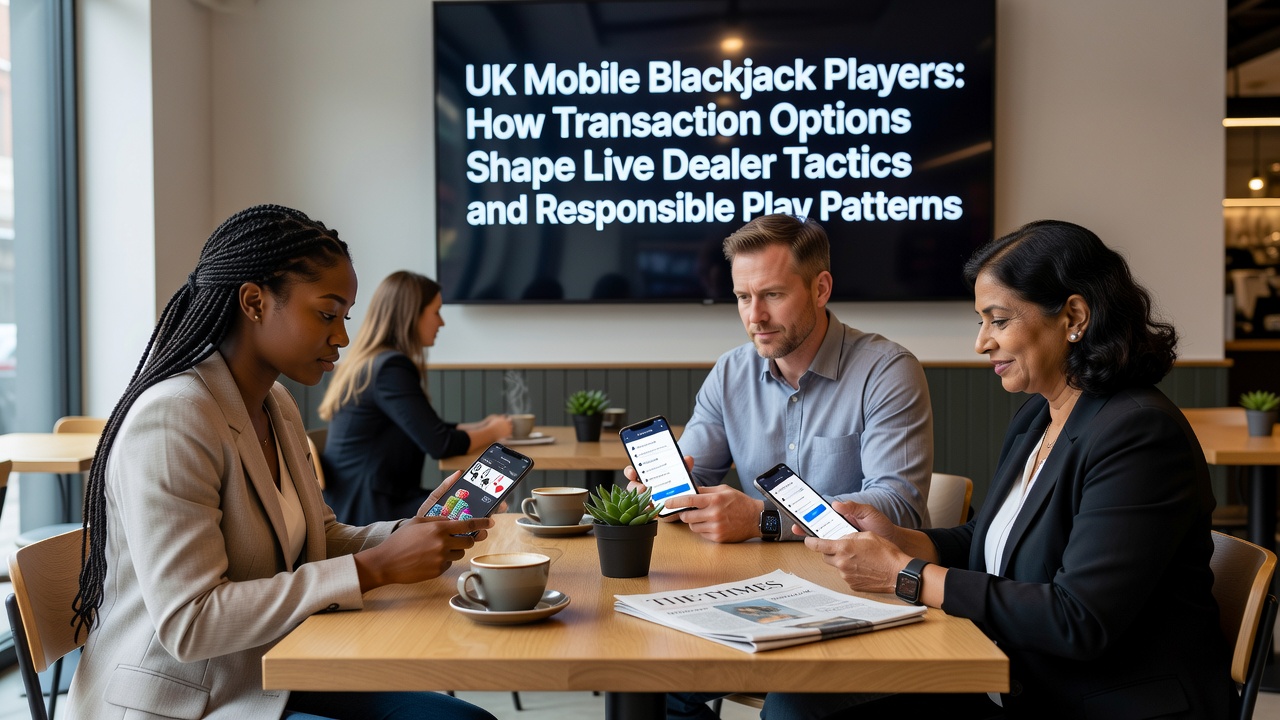
Banking Preferences Reshaping Mobile Live Blackjack Dynamics for UK Gamers
Transaction methods available to UK mobile blackjack enthusiasts continue to evolve and these choices directly influence how players approach live dealer tables along with their overall patterns of responsible engagement. Data from industry reports shows that options ranging from instant e-wallets to traditional bank transfers create distinct rhythms in session timing and decision-making at the tables.
Payment Speed and Session Flow
Instant deposit services such as digital wallets allow players to reload balances within seconds while slower bank transfers often require hours or days for completion and this contrast shapes how participants manage their time at live blackjack tables. Observers note that those using faster methods tend to extend sessions because replenishment happens without interruption whereas users of delayed options insert natural pauses that break momentum and encourage reflection on betting choices.
Studies conducted across European markets reveal that average session lengths increase by up to twenty percent when instant options dominate transaction activity yet responsible limits set through platform tools remain active regardless of speed. Researchers discovered that players combining multiple methods often alternate between quick top-ups during favorable runs and deliberate waits when using slower channels and this hybrid approach appears in data collected through 2025 into August 2026.
Live Dealer Tactics Influenced by Funding Methods
Live dealer environments reward quick reactions to card reveals and table dynamics yet payment infrastructure affects how aggressively participants adjust stakes. Those relying on e-wallets frequently test higher bet progressions because funds arrive immediately while players dependent on card or wire services maintain steadier patterns that align with the time needed for verification. Figures reveal this split becomes pronounced during peak evening hours when live tables fill rapidly and timing windows for strategic shifts narrow.
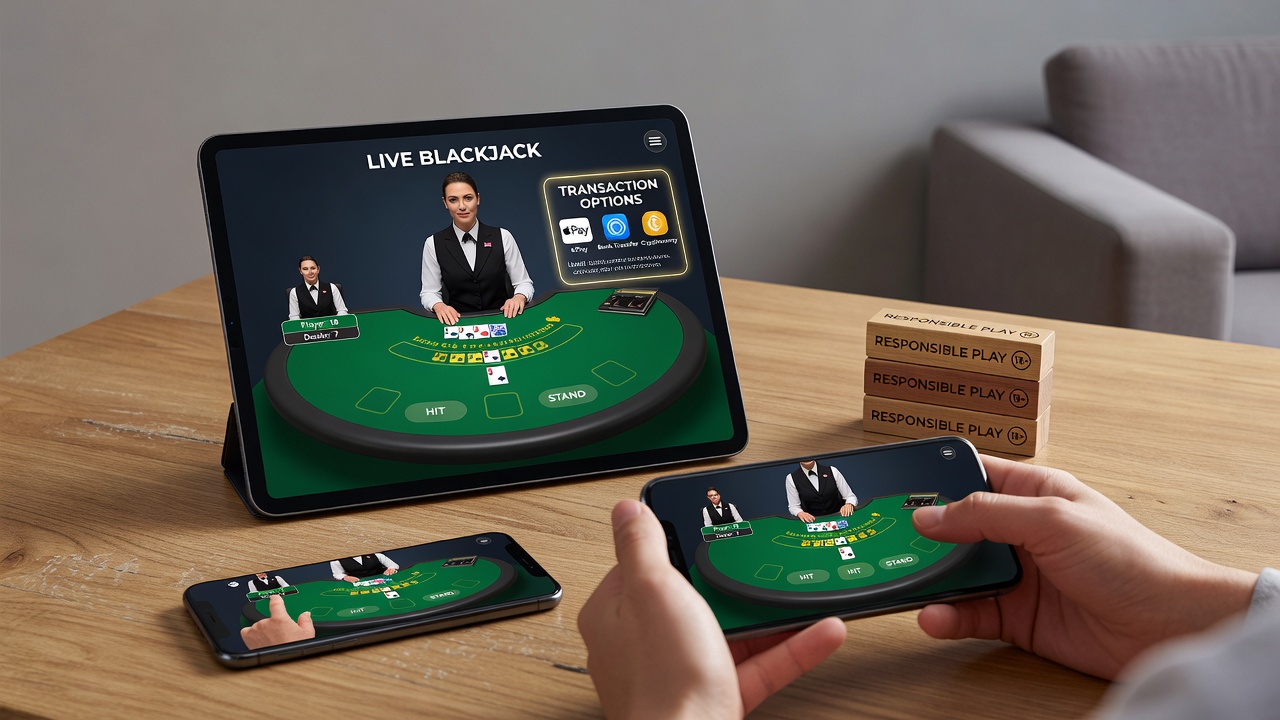
One analysis of mobile traffic patterns found correlations between payment type and bet sizing adjustments with instant methods linked to more frequent double-down attempts and slower options tied to conservative play that waits for stronger starting hands. Experts have observed these tendencies hold steady across different age groups and experience levels although platform features like deposit caps can moderate extremes in both cases.
Responsible Play Patterns and Transaction Choices
Responsible gambling features integrate with payment systems through daily limits and cooling-off periods that activate differently depending on the chosen method. Data indicates users of instant services activate self-exclusion tools at higher rates when sessions accelerate while those using scheduled bank transfers report fewer instances of exceeding preset thresholds because processing delays provide built-in checks. Research from international bodies such as the National Council on Problem Gambling highlights similar dynamics in other regulated markets where transaction friction supports healthier boundaries.
Platform operators in the UK track these interactions through anonymized metrics that show August 2026 figures maintaining consistent trends with prior years. Players who rotate between options often develop routines that space out activity and this behavior aligns wth guidelines promoted by groups like the Gambling Help Online in Australia which emphasize deliberate pacing regardless of technical convenience.
Broader Market Context and Emerging Trends
Market reports from research institutions track rising adoption of cryptocurrency options alongside established methods and early figures suggest these add another layer of speed variation that further diversifies tactics at live tables. Observers note that security protocols and verification steps attached to newer methods can introduce brief delays that mimic the effect of traditional transfers and this overlap helps maintain balanced play patterns across the board.
University-led examinations of mobile gambling behavior continue to examine how interface design interacts with payment speed to influence decision timing. Findings indicate that clearer transaction histories displayed on screen correlate with more measured responses to dealer actions while opaque or delayed confirmations prompt players to pause and reassess their current strategy.
Conclusion
Transaction options available to UK mobile blackjack participants create measurable differences in live dealer engagement and responsible play habits as evidenced by ongoing data collection through 2026. Faster methods support fluid session extensions and aggressive adjustments while slower alternatives insert reflective intervals that reinforce limit adherence. These patterns emerge consistently across studies and platform analytics without reliance on any single regulatory source yet they underscore how infrastructure choices shape user experience at the intersection of technology and gameplay. Continued monitoring by independent research entities will clarify whether new payment innovations sustain or alter these established relationships.