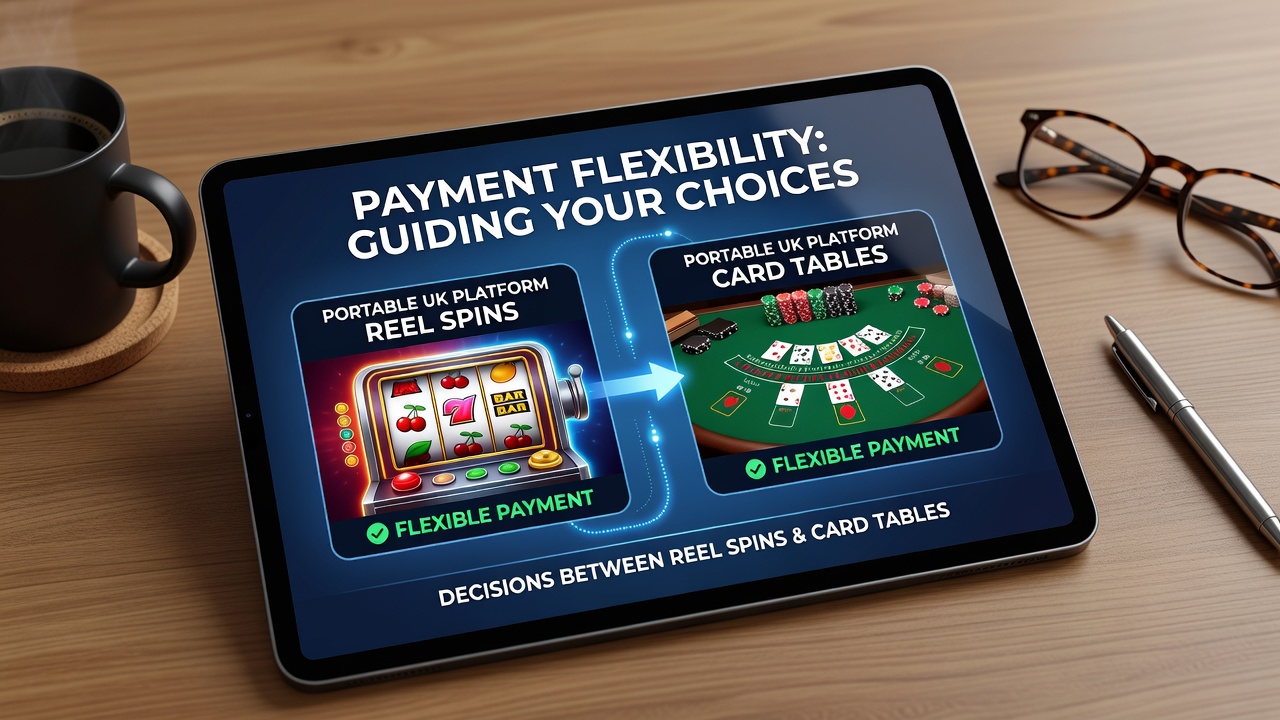
Payment Methods Shaping Decisions on Slots and Table Games for UK Mobile Users
Payment flexibility has become a key factor in how players on portable UK platforms decide between reel spins and card tables, with deposit speed, withdrawal times, and transaction limits often determining the choice of game type. Research from industry reports shows that instant funding methods encourage quicker sessions on slots, whereas slower verification processes align more with the deliberate pace of table games. Data collected across multiple platforms indicates that users with access to diverse banking tools tend to switch between formats based on how easily funds move in and out of accounts.
Transaction Speed and Game Format Preferences
Observers note that e-wallet options, which process deposits within seconds, lead many players toward reel spins because the immediate access supports frequent, small bets without interruption. In contrast, traditional card transfers that require additional confirmation steps correlate with longer engagement at card tables, where players often plan their moves over extended periods. A study published by the Gambling Research Exchange Ontario found that platforms offering same-day withdrawals see higher volumes of table game activity, since users feel more secure committing larger amounts when cash-out timelines remain predictable.
Yet the pattern shifts when limits enter the equation. Platforms that cap single transactions at lower amounts push some users toward slots, where repeated small plays fit within those boundaries, while higher-limit options open the door to card table strategies that require bigger initial stakes. Figures from Australian regulatory summaries reveal similar trends in mobile environments, where payment caps directly influence session length and game selection.
Regional Payment Trends and Mobile Adoption
Across UK portable platforms, the rise of instant banking solutions has coincided with increased reel spin participation, according to aggregated user data from 2025 onward. Those who study these patterns point out that players value the ability to fund accounts without leaving the app, a convenience that suits the fast cycle of slot machines more than the structured rounds of card games. By November 2026, several major providers had expanded support for multiple digital currencies, further reducing friction for users who prefer quick switches between game types.
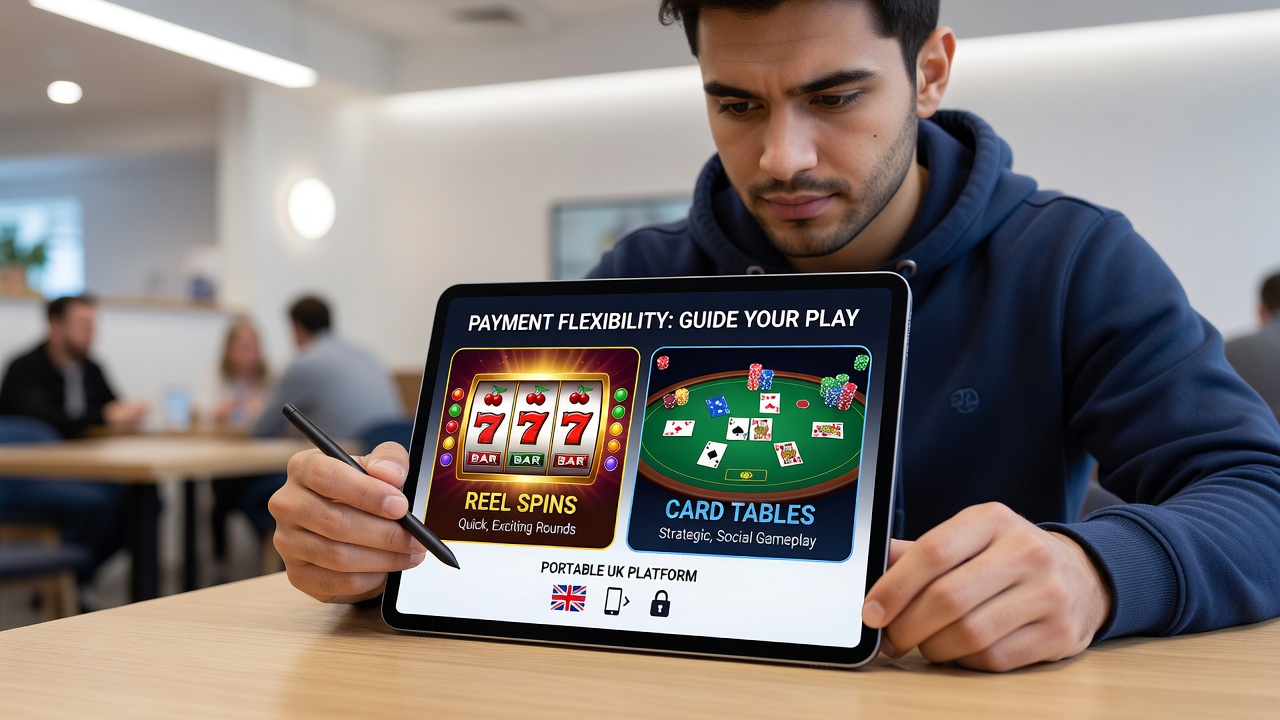
Take one analysis conducted by the European Gaming and Betting Association that examined transaction logs from various operators. It showed that accounts using flexible payment bundles recorded more balanced play across both reels and tables, whereas single-method users clustered heavily around one format. This suggests that the range of available options, rather than any single method, guides decisions more than game mechanics alone.
Security Features and Player Behavior
Security protocols tied to payment methods also play a role in format selection. Multi-factor authentication required by certain card processors adds steps that discourage rapid reel spin sequences, leading users toward table games where pauses between hands feel natural. Industry data from Canadian provincial reports highlights that platforms with streamlined yet secure e-wallet integrations experience steadier table game traffic, as players complete verification once and then maintain consistent balances across sessions.
What's interesting is how loyalty integrations with payment systems affect choices. Users who accumulate rewards through repeated deposits often gravitate toward slots when those systems credit bonuses instantly, while table game enthusiasts favor methods that track larger cumulative spends for tiered benefits. Evidence from university-linked research papers on digital transactions indicates these reward structures reinforce existing preferences rather than create new ones.
Conclusion
Payment flexibility continues to steer player decisions between reel spins and card tables on UK mobile platforms through factors like speed, limits, and security integration. Reports from multiple regions confirm that the variety of transaction tools available shapes both the frequency and style of play, with data showing clear correlations between banking options and game format engagement. As platforms evolve these systems, the patterns observed through 2026 suggest ongoing influence on how users allocate their time and funds across different mobile gaming experiences.